Great feedback lead to great outcomes
We conducted a demo with a live audience to gather feedback if our platform was going in the right direction and the feedback was amazing!
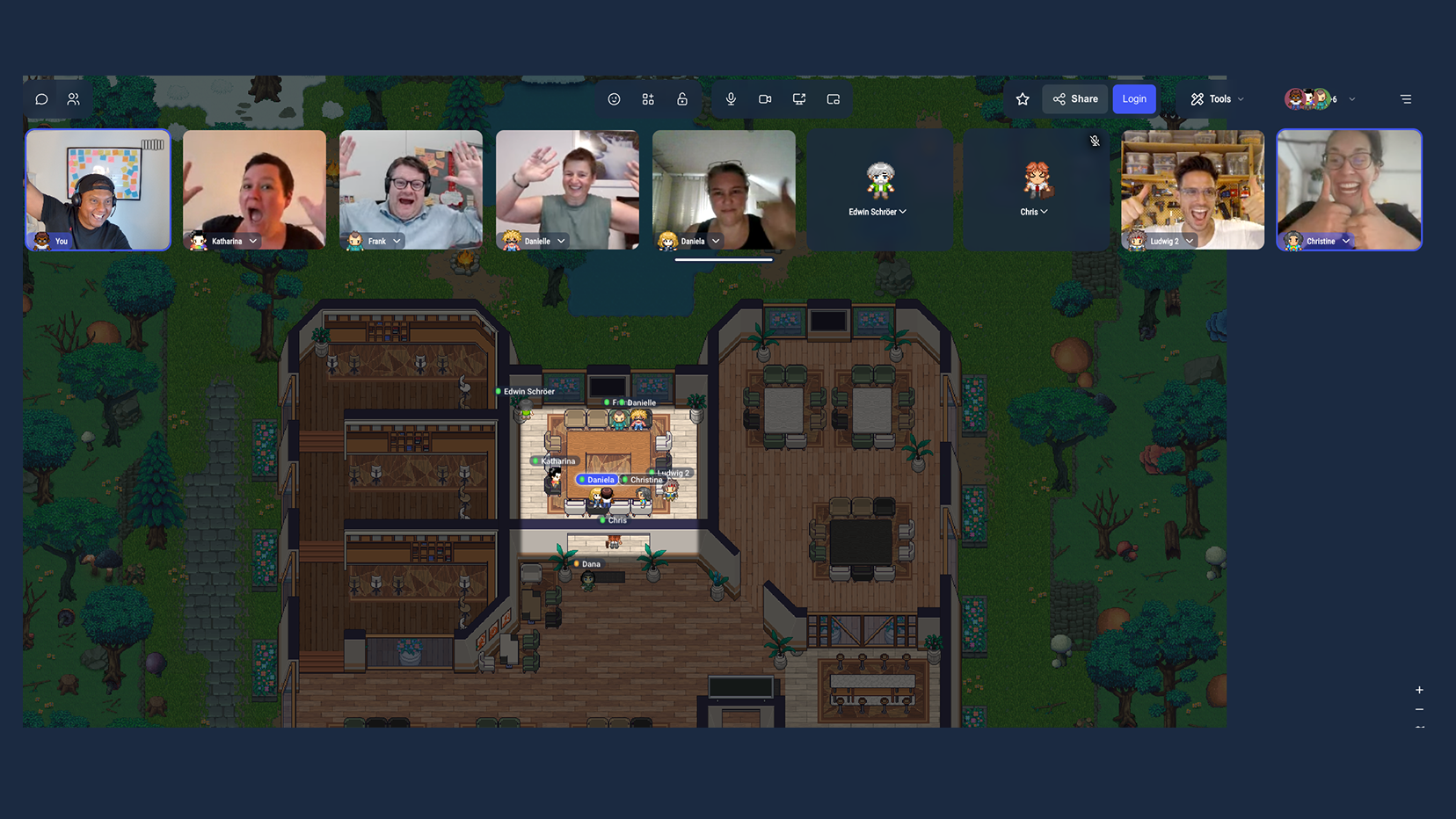
We were honoured to be invited to the LSP DACH Community to present BrickThink to a live audience and test it out together. This was the first time we were able to see this in action and get feedback on technical, UX, and general setup issues, but it was also a chance to assess whether we were going in the right direction with the application and whether there is a product fit.
Starting with a bang
From the get-go, we wanted to get everyone involved in the application, and we also wanted to bring this immersive experience, so we brought the audience to our virtual office (created with our upcoming partner WorkAdventure), who were happy to give us a space and provide that experience of what it could be like when conducting these workshops virtually. Everyone was eager to see the application in its full use, so we walked them through it step by step. We noticed from the beginning that BrickThink comes with some technical knowledge constraints, as they would be using their browser for this, which differs from the real-life haptic flow of setting up an LSP workshop. However, this is the biggest priority for us. This is something the team is investigating further to see how we can get over that technical hurdle hump and make the application as simple as possible.
The Skill Building Stage
We didn't just want to show the application without any hands-on experience with it, so we set up this introduction so the audience could play with it and mess around as we presented it. Our founder, Naresh Shan, has been integral to ensuring that the story of how he created it is fully fleshed out. Though we restricted him to keep the presentation lean because demos like these make people eager to really try out the app rather than listen to the story. We started with the skill-building stage to help the team learn the app's dynamics. For us, this stage is where we call it the "technical hurdle hump". This stage in a session allows teams to experiment and become familiar with the platform, and provides them with a foundation for using the app. We saw very early that the audience needed guidance, as walkthroughs were skipped (as you would in a demo), and we were missing key usability foundations, such as a clear back button to help the team navigate between sessions.
The real value
The audience was then shown how we capture participants' narration and how the platform records it. We made sure our focus was on the facilitator and not the attendee. The reason is that we knew the audience would be full of facilitators, so we focused on the key pain points they face. One of the biggest hurdles is that they have to listen to recordings, create narration scripts, and write them in their reports. Though this is a paid feature on our platform, we wanted to focus on the open-source aspect, as the narration scripts are only a small part of the value, and the audience really saw value in the real-time collaboration. They were taken aback by how people can come together and build models in one place, and that is where we excelled in showing what can be done with this virtual platform. We showed more in the demo on how to bring people into rooms, how to spotlight a person so everyone jumps into their model, which is a logistical nightmare in Teams and Google Meet, and we wanted to bring these key features to the surface for the facilitators to see. As we progressed and showed them how we then combine room models together, which is the whole point of the LSP methodology, we started to see the spark in everyone's eyes that they could see value in this platform (obviously, we also found some technical issues as they were doing this demo, which is top of the list to fix) but now they started to see where we are going with Brickthink.
The Feedback Session
This is where we say the greatest value from the audience. They were throwing out ideas for great features and even small, minor touches to make this platform better. Every single idea was captured, and it showed that we are aiming in the right direction. Every piece of feedback to us is so important at this stage, and we took every note. The feedback session offered so many insights we hadn't considered, and it showed we still have a lot to do to make this a great product. Our backlog is now prepped and ready to start working on our 1.4 version, which we have already named "Bishop" (Naming after X-Men on all releases) and Naresh has been putting together a skeleton team to take this forward.
Written by

Naz
Building BrickThink, in the open.
More field notes.
Read the rest of the writing, or take BrickThink for a spin — it's open source and free.